Not Perfect Just Forgiven — Christian T-Shirt Designs
First Impression: Warm, Human, and Quietly Confident
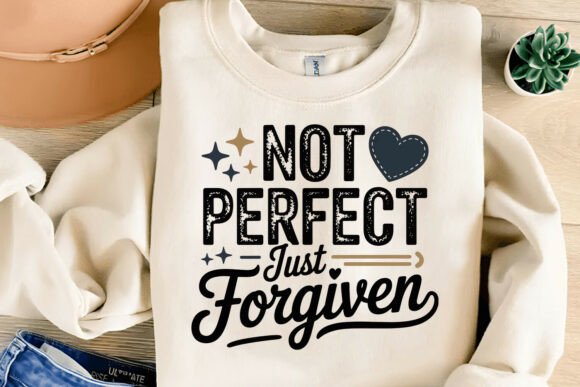
When I opened Not Perfect Just Forgiven — Christian, my immediate reaction wasn’t “cute” or “trendy”—it was “relatable.” The design carries gentle weight: soft letterforms, intentional spacing, and a subtle hand-drawn texture that avoids looking rushed or overly polished. It lands somewhere between modern design and heartfelt authenticity—ideal for brands building emotional connection over aesthetic perfection. For small business branding, online coaches, and faith-based content creators, this isn’t just a graphic design asset—it’s a tone-setter. It signals grace, humility, and quiet strength without shouting. That makes it especially effective for lifestyle content, editorial design, and digital product visuals where audience trust hinges on sincerity.
A Campaign-Ready Asset: From Social Posts to Packaging Inserts
I tested Not Perfect Just Forgiven — Christian across six real marketing touchpoints in a recent seasonal campaign for a Christian wellness brand launching a self-compassion journal. Here’s how it performed:
- Social media graphics: Stood out in Instagram feed scrolls—especially as a story sticker overlay on muted lifestyle photos. Paired cleanly with sans serif body text and pastel backgrounds.
- Pinterest pins: Scaled beautifully in vertical layouts. Its balanced visual hierarchy made it instantly scannable—even at thumbnail size—without needing extra icons or borders.
- Email banners & blog headers: Added warmth to otherwise clean web design layouts. Used as a subtle watermark behind light-colored text blocks, reinforcing brand identity without competing.
- Packaging accents: Printed on kraft paper inserts and cotton tote bags—looked handmade but professional. Worked especially well alongside serif fonts and natural textures.
- Canva templates & printable designs: Imported seamlessly as PNG and SVG files. Maintained crisp edges at all sizes, making it ideal for editable Canva templates used by bloggers and digital sellers.
- Merchandise & stickers: Translated powerfully onto t-shirts and vinyl decals. The phrase itself resonates deeply in faith-based communities, turning apparel into conversation starters—not just fashion.
Where It Strengthens Brand Communication—And Where It Needs Guardrails
Not Perfect Just Forgiven — Christian excels when supporting goals like stronger first impression, emotional connection, and memorable campaign visuals. It builds recognition through consistent tone—not just repetition—and elevates product presentation by adding narrative depth to simple items like journals, mugs, or digital downloads.
But here’s what I watched closely: it doesn’t carry dense information. In Facebook ads with layered CTAs or text-heavy lead magnets, it risks diluting focus. It also needs breathing room—so avoid pairing it with busy patterns, low-contrast backgrounds, or ultra-minimalist brands that rely on stark geometry. And while it shines in editorial design and social media graphics, it shouldn’t anchor formal corporate branding or investor-facing materials where gravitas comes from structure, not softness.
Design Integration Notes Every Brand Creator Should Run
Before dropping Not Perfect Just Forgiven — Christian into your next project, treat it like a live-in collaborator—not just clipart. Here’s my checklist:
- Test it against your full brand color palette—does it harmonize with both primary and accent tones, or does it clash in unexpected ways?
- Check black-and-white usage: Does the texture hold up when inverted? Is legibility preserved on dark mode or printed grayscale?
- Place it inside real campaign mockups—on a t-shirt, in an email template, as a Pinterest pin—to assess scale, balance, and context.
- Preview on mobile screens: Does the phrasing remain legible at 24px? Does the spacing feel generous—not cramped—on smaller viewports?
- Compare it to top competitor visuals: Does it differentiate your voice, or blend in too easily?
- Pair it with your core fonts: It works beautifully with warm serifs (like Playfair Display), clean sans serifs (Inter, Montserrat), and even restrained script fonts—but avoid pairing with overly decorative or tightly spaced display fonts.
- Review spacing and alignment: This design thrives on negative space. Don’t crowd it with icons, badges, or secondary slogans unless intentionally layered for editorial design.
- Confirm commercial license: If using in client work, paid digital ads, or physical merchandise, verify the license covers commercial design, digital product resale, and print-on-demand platforms.
Beyond the T-Shirt: A Versatile Creative Design for Content-Focused Brands
Yes, Not Perfect Just Forgiven — Christian is categorized under T-Shirt Designs—but its utility stretches far beyond apparel. As a graphic design asset, it functions equally well as a foundational element in a design bundle for faith-based content marketers, a centerpiece in printable promotions for online coaches, or a unifying motif across a media kit for creative entrepreneurs. Its strength lies in how quietly it communicates values: compassion, resilience, and grounded hope. That makes it powerful in visual storytelling—whether you’re designing event flyers for a women’s retreat, creating Instagram carousels for a Bible study app, or building branded templates for a nonprofit newsletter.
For bloggers and publishers, it adds narrative cohesion to themed content series. For digital sellers, it boosts perceived value of digital downloads—turning a simple PDF guide into part of a larger, emotionally resonant experience. And for small business owners juggling branding, sales, and content creation, it’s one less piece to overthink: a ready-made expression of mission that feels human, not algorithmic.
Final Verdict: A Thoughtful Addition to Any Creative Marketplace Toolkit
Not Perfect Just Forgiven — Christian isn’t flashy—but it’s memorable. It’s not minimal—but it’s intentional. It won’t dominate every layout, but it will deepen every message it supports. When used with strategic restraint and thoughtful integration, it becomes more than a design asset: it becomes part of your brand’s emotional vocabulary. For content creators building trust, designers shaping meaningful experiences, and small business owners communicating heart-first values—this is a modern design worth keeping close.